
Key takeaways
- Beginner routes typically span 10 to 30 miles with under 800 feet of elevation gain on maintained pavement, while expert routes exceed 50 miles with 3,000+ feet and complex terrain types.
- Infrastructure proximity defines sustainability: beginner routes encounter towns and services every 8-12 miles, whereas expert routes may span 40-mile stretches between water sources.
- Road surface and obstacles—paved versus gravel versus singletrack—require different technical skills; progress from pavement to gravel to advanced terrain as your handling improves.
Cycling route difficulty spans a spectrum determined by measurable factors, not subjective preference. The same 30-mile loop presents one challenge to a beginner and another to an expert because the defining characteristics—distance, elevation, surface type, and infrastructure—compound in different ways depending on your experience and fitness.
Distance and Duration
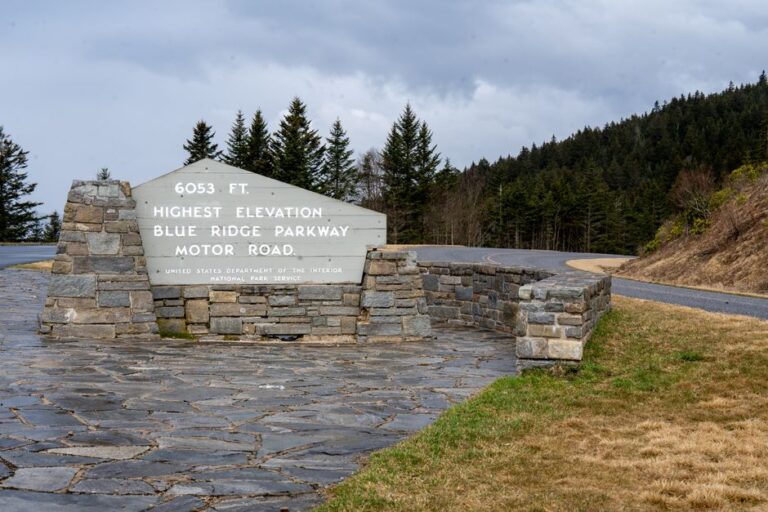
Beginner routes typically span 10 to 30 miles and can be completed in 1 to 2.5 hours of riding. The Blue Ridge Parkway in North Carolina, which stretches 469 miles, offers dozens of sections under 20 miles with minimal traffic and consistent grades. A 12-mile loop from the Tanyard Falls overlook near Asheville provides novice riders a low-stress introduction to mountain riding while remaining flat enough for a leisurely pace.
Expert routes exceed 50 miles and often demand 4 to 8 hours of continuous riding. The Great Divide Mountain Bike Route, spanning 2,700 miles from Canada to Mexico, features 200+ mile sections where resupply points are separated by 30-50 miles of remote terrain. Experienced riders on this route manage daily distances of 80-120 miles across multiple consecutive days, supported by self-navigation skills and mechanical knowledge.
Beginner Routes: 10–30 Miles
Beginners benefit from loops under 30 miles because they maintain physical comfort and reduce the mental burden of route-finding. The Ozark Scenic Byway in Arkansas, a 48-mile road circuit between Ponca and War Eagle Cavern, can be broken into 15-mile out-and-back segments with clear signage. Riders return to the same point, simplifying logistics and allowing easy access to support.
Expert Routes: 50+ Miles
Expert cyclists routinely undertake 70-100 mile days on routes like the TransAmerica Bicycle Trail, a 4,200-mile cross-country route developed by Adventure Cycling Association. Sections through Nevada and Utah feature 60-mile stretches with only one water source and require riders to manage pacing, nutrition, and navigation independently. Multi-day tours with 50+ mile daily distances demand experience managing fatigue and mechanical issues in real time.
Elevation Gain and Grade
Total elevation gain—the cumulative vertical distance climbed—separates routes more definitively than total distance alone. A 20-mile route with 500 feet of gain feels entirely different from a 20-mile route with 3,000 feet, even though the distance is identical.
Low-Elevation Terrain
Beginner routes typically accumulate under 800 feet of elevation gain. The Pacific Coast Highway between Santa Barbara and Ventura, a 40-mile coastal ride, rises only 600 feet total while passing through populated towns with regular rest stops and food access. Grades remain below 4 percent, allowing steady pedaling without technical climbing skills.
High-Elevation Climbs
Expert routes include passes exceeding 10,000 feet elevation. A loop through Colorado’s Maroon Bells near Aspen covers 32 miles with 3,200 feet of climbing, including sustained grades of 8-10 percent for 2-mile stretches. The average gradient—total elevation divided by distance—reaches 10 percent, meaning for every 10 miles of riding, climbers ascend 1,000 feet continuously. Only experience and aerobic capacity allow management of these efforts without significant walking or stopping.
Road Surface and Technical Difficulty
The type of surface beneath your tires defines the skills required. Pavement rides demand only basic handling and comfort with cars; gravel and singletrack demand balance, obstacle avoidance, and line choice.
Beginner routes use maintained asphalt or concrete. The paved Montour Trail near Pittsburgh spans 40 miles on a former railroad bed with no elevation or obstacles, suitable for cyclists of any skill level. Wet asphalt remains the main hazard.
Expert routes combine multiple surface types and require obstacle navigation. The Mariposa County gravel network in California’s Sierra Nevada includes 60+ miles of routes over washboard gravel, rocky water crossings, and steep descents on loose surfaces. Riders must execute precise line choices on downhills, manage bike control at low speeds over rocks, and recover from potential crashes. Technical singletrack—narrow dirt paths through trees—adds the demand for front-wheel lifts, bunny-hopping, and brake modulation to avoid sliding.
Infrastructure and Support
Beginner routes pass through towns with regular food, water, and mechanical support. Expert routes often traverse wilderness where support is hours away. A beginner cyclist on the Blue Ridge Parkway encounters a town every 8-12 miles; an expert on the Great Divide Mountain Bike Route may ride 40 miles between resupply opportunities.
Established beginner routes like the C&O Canal Towpath between Washington, DC and Cumberland, Maryland feature 184.5 miles of canal-adjacent dirt with towns, water sources, and bike shops within 15 miles at most points. Expert routes like the Kokopelli Trail in Utah span 140 miles between Moab and the Colorado border with only two maintained water sources and zero bike shops within the route.
Weather and Seasonal Factors
Beginner routes are ridden during forgiving seasons—spring and fall in temperate regions, with daytime temperatures between 55 and 75 degrees. Winter snow, summer heat above 95 degrees, and exposed high-altitude routes are avoided.
Expert cyclists extend their season and altitude range. The Timberline Trail circumnavigates Mount Hood in Oregon—a 40-mile loop at altitudes from 6,000 to 9,000 feet—and is ridden in late summer when snow has melted but weather remains variable. Sudden wind, hail, or temperature drops to freezing are accepted as part of the experience, requiring layers and self-sufficiency.
Building Your Route Progression
Progression from beginner to expert happens through structured increases. Start with paved loops under 20 miles and zero altitude gain. Add 5 miles at a time once 20-mile routes feel comfortable. Introduce 500 feet of elevation after 50 miles of flat riding. Move to gravel roads with 1,000 feet of gain after 30 miles of paved climbing. Experience singletrack on short 5-mile loops before attempting long gravel tours.
This progression ensures your fitness, skills, and navigation ability grow together. Routes that felt impossible last year become warmup loops—evidence that difficulty is relative to experience.
Frequently Asked Questions
What's the main difference between a beginner and expert cycling route?
Beginner routes combine short distance (10–30 miles), low elevation gain (under 800 feet), and paved surfaces with nearby towns for support. Expert routes exceed 50 miles, feature 3,000+ feet of elevation, include technical terrain like gravel or singletrack, and traverse remote areas where support is hours away.
How should I progress from beginner to expert cycling routes?
Start with flat paved loops under 20 miles, then add distance incrementally. Introduce elevation gain (500–1,000 feet) on sustained climbs once you're comfortable with 20–30 mile distances. Progress to gravel roads and singletrack on short loops (5–10 miles) before attempting longer multiday adventures.
Can I ride an expert route as a beginner?
You can attempt any route, but expert routes demand fitness, technical bike handling, and self-sufficiency that develop over time. Many expert routes expose underestimated beginners to mechanical failures, weather extremes, or navigation issues in remote areas. Progression ensures safety and enjoyment.
